Reports matter in field sales management. But most of the time, a report shows only the result. To understand why that result occurred, you have to be in the field.
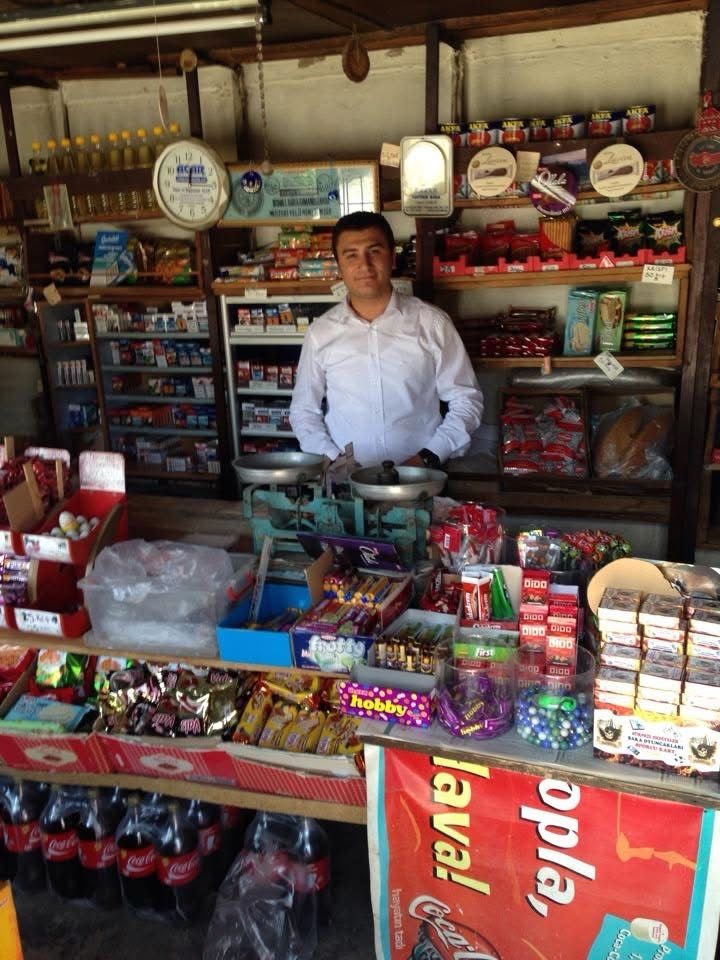
A route is more than an itinerary
I learned this while accompanying van sales teams during my years as a sales supervisor. A route is the field plan that defines which customers the team will visit and the order in which they will travel. To me, however, it was much more than a sequence of stops on a map. It allowed me to see the entire operation in one place—from morning vehicle loading to end-of-day reconciliation, and from shelf execution and collections to customer relationships and salesperson development.
At Rekor Gıda / Yıldız Holding, I was responsible for a structure covering Ankara, Kırıkkale, Çankırı and Kırşehir, with four distributors, 24 sales representatives and four merchandisers. An organization of that scale could not be led solely from a desk, over the phone or through reports.
The route begins with morning vehicle loading
In van sales, the first important decision of the day is made before the vehicle moves. How much of each product has been loaded? Has the sales potential of the customers on the route been considered? Have promotional items, fast-moving products and local needs been evaluated correctly?
Excess stock creates returns and inventory pressure; insufficient stock means failing to meet customer demand and losing sales opportunities. Loading is therefore not a logistical detail—it is the first sales decision of the day. A sales supervisor should not simply ask whether loading is complete, but whether the load is aligned with the route, customer profile and sales targets.
Reports show the outcome; the route reveals the reason
A customer's order may decline for many reasons. Visits may have become irregular, shelf facings may have narrowed, price labels may be missing or the product may have lost visibility. A previous balance may be preventing a new order, or a competitor may have secured a stronger display. None of this can be fully understood by looking only at total sales figures.
When I entered a store, I would straighten our products, check expiry dates, identify gaps and look for opportunities to increase shelf facings. I reviewed price labels, competing products and prices, returns, damaged goods and backroom stock. Where appropriate, I created a new order and explored extra visibility opportunities such as checkout displays or secondary placements.
A product leaving the vehicle does not mean the sale is complete. The right product must reach the right customer, in the right quantity and with the right visibility.
You cannot see the full sale without reviewing the account
In the field, sales and collections cannot be treated as separate matters. If a customer had an outstanding balance, we followed up on payment. If the transactions or balance did not match, we reconciled the account with the customer. While discussing a new order, we also had to keep the commercial account healthy.
Collections, returns, inventory, orders and route discipline are all links in the same chain. When one link fails, the effect soon appears elsewhere. A good field manager leads the entire operation, not just the sales target.
A route is not only where sales are made; it is where salespeople are developed.
Joining the route does not mean selling in place of the representative
The purpose of a sales supervisor joining the team on a route is not to take over the salesperson's role or conduct every conversation on their behalf. It is to observe the employee in real working conditions, recognise strengths and discuss development needs at the right time.
I observed how representatives greeted customers, which questions they asked, how they handled objections and how they closed orders. After each visit, we held a short review: What did we do well? Where did we struggle? What should we have done? What could we improve on the next visit?
If there was a mistake, I addressed it directly. But correction never meant anger or shouting. Fear may make people perform for a while, but genuine development requires understanding why the mistake occurred. A good field manager does more than point out an error; they give the employee the perspective needed to avoid repeating it.
Every customer requires a different approach
No two customers in the field are the same. Some are calm, some more demanding, while others may be distant because of a past problem. We occasionally encountered customers whose visits had been neglected after a communication problem with the sales representative. Sometimes the representative was at fault; at other times, the customer was genuinely difficult and uncompromising.
My aim in those situations was not to debate who was right in front of the customer. Before entering the store, I would tell the representative, “Take a step back and let me lead the conversation.” I listened to the customer, worked to understand the complaint and explained that I would review the issue with my team and take the necessary action. I also gave the customer my phone number and invited them to contact me directly if a similar problem occurred. We rebuilt the relationship and, in many cases, completed the visit with a sale.
The balance is critical: win back the customer without undermining your employee in front of them, then develop the employee afterward without overlooking the mistake.
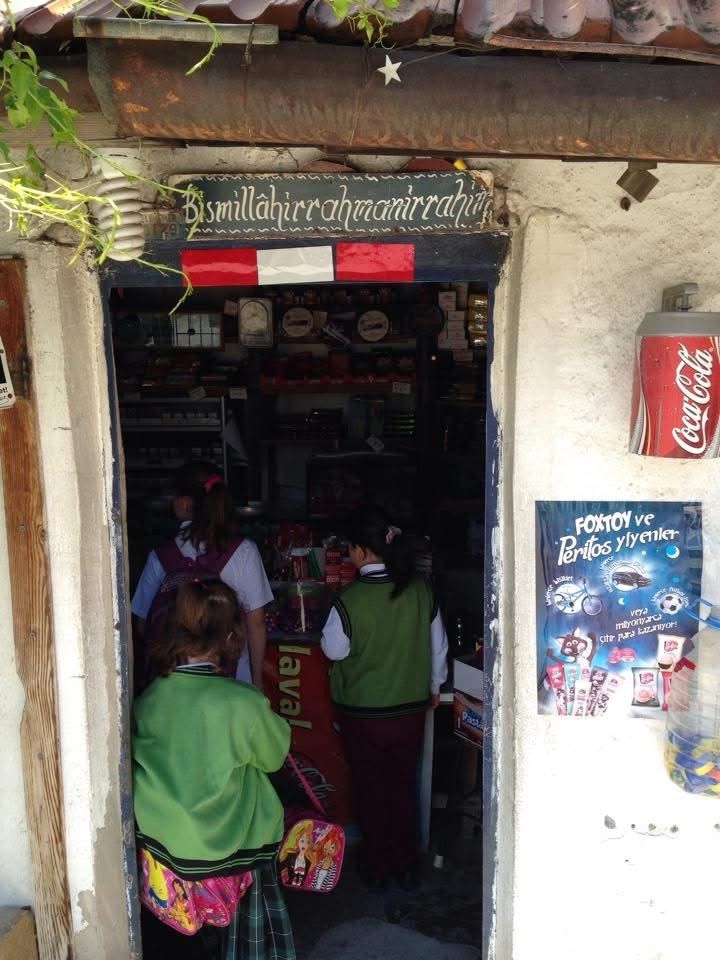
You cannot understand a territory without listening to local retailers
A neighbourhood retailer is more than a customer placing an order. They understand their local community, consumer habits, why certain products move and why some initiatives fail in the field.
A relationship built on trust reveals insights that reports cannot show. Why is a product sitting on the shelf? Which price point feels too high to consumers? When does store traffic increase? How is a competitor gaining an advantage? The real answers are often found inside the store, not in the office.
Trust must be managed as carefully as the target
A sales manager's responsibility does not end with achieving the target. Team motivation, customer trust and distributor operating discipline must be protected at the same time.
A manager who enters the field only to find faults creates pressure. A manager who goes out to understand problems, develop solutions and coach employees builds trust. A leader's presence in the field should create confidence, not a feeling of surveillance.
Those who stay off the route miss part of the reality
Looking back, I can see that my approach to sales leadership was shaped less by meeting rooms than by the routes I worked alongside my teams. Vehicle loading, shelf execution, customer accounts, objections, employee development and end-of-day reconciliation were all parts of the same whole.
Reports are essential. But a manager who looks only at reports sees the result; a manager who gets onto the route understands its cause. You cannot truly lead the field, the customer or the team without being there.
For more field-tested leadership lessons, read 7 Sales Lessons I Learned in 20 Years. To explore the beginning of my career, read From Dusty Shelves to Regional Sales Leadership.
I will continue sharing lessons learned in the field.
Contact me →